
Processing...

Everything You Need to Know About Garage Door Springs
Garage door springs may not look important, but they quietly handle one of the hardest jobs in your home. Every time your garage door opens or closes, the springs do the heavy lifting. Many homeowners in Omaha only notice them when something feels off. The door feels heavier, the opener struggles, or worse, you hear a loud bang and the door stops working. That moment usually means a broken garage door spring.
In this guide, Omaha Garage Door Repair explains garage door springs clearly, just like we would if we were standing in your driveway. Let’s dive in.
What Garage Door Springs Do and Why They Matter
Before anything else, it helps to understand why garage door springs matter. Your garage door opener does not lift the full weight of the door. The garage door springs do most of that work. They counterbalance the door so it can open smoothly and safely. When the springs work properly, the door feels light and moves evenly. But when garage door springs weaken, the entire system feels the strain. That is why spring problems often show up as opener issues, even though the opener is not the real cause.
Types of Garage Door Springs You Should Know
Now that you understand their role, let’s talk about the different types of garage door springs you may have on your home. Most residential doors in Omaha use one of two systems, and knowing which one you have helps you spot problems early.
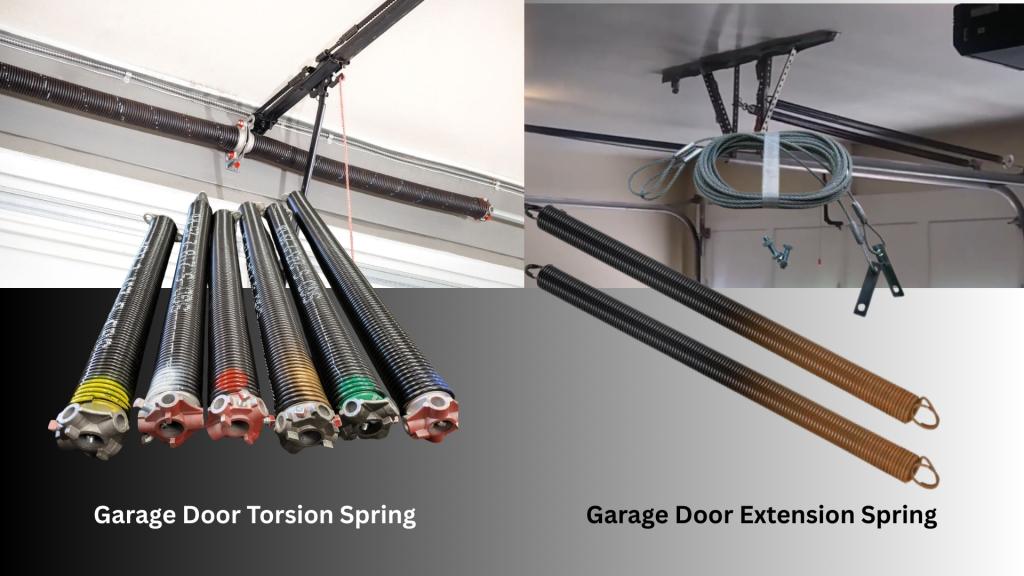
Extension Springs
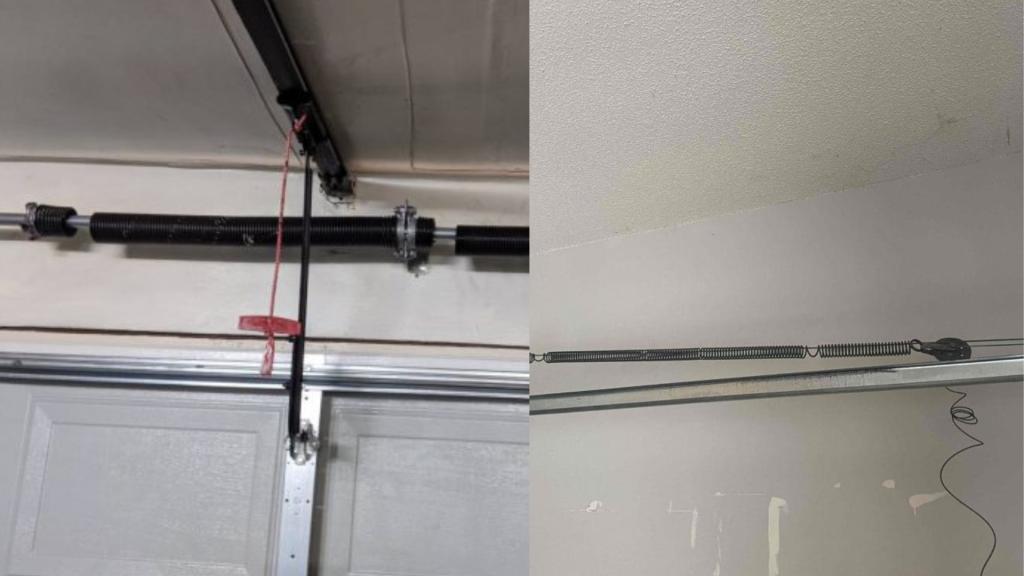
Extension springs work by stretching as the garage door opens and contracting as it closes. You usually find them along the sides of the door, running parallel to the tracks. These springs are common on older garage doors or lighter doors.
There are a few types of extension springs based on how the ends are made.
- Open-loop extension springs have a simple open hook at the end.
- Double-loop extension springs use two loops for extra strength.
- Clipped-end extension springs are the strongest option and handle heavier doors better.
The type of end matters and affects how durable and safe the spring is over time.
Advantages of Extension Springs
One advantage of extension springs is the lower upfront cost. They also have a simpler design, which works well for certain garage door setups. For some homeowners, especially with smaller doors, extension springs can still be a practical option.
Why Do Garage Doors Often Have Two Extension Springs?
Most garage doors use two extension springs to keep the door balanced, with one spring on each side of the door. This setup spreads the weight evenly and helps the door open straight instead of twisting.
When one spring fails, the second one is usually not far behind. That is why garage door spring replacement often includes both springs.
How Long Do Extension Springs Last?
On average, extension springs last about seven to ten years, depending on how often you use your garage door. Homes where the garage serves as the main entry, like many properties near Aksarben Village, tend to wear out springs faster. Cold winters and moisture can also shorten their lifespan.
Torsion Springs
A torsion spring works differently. Instead of stretching, it twists on a metal bar mounted above the garage door opening. As the door moves, the torsion spring controls the motion smoothly. Most newer homes in Omaha use a torsion spring system because it offers better balance and safety.
There are different types of torsion springs.
- Standard torsion springs handle most residential doors.
- High-cycle torsion springs last longer and work well for doors that open many times a day.
- Early-set and steel-back torsion springs serve specific door sizes and weights.
The right type depends on door size, weight, and usage.
Why Do Some Garage Door Springs Have Two Torsion Springs?
Some garage doors use two torsion springs to share the workload. This setup helps lift heavier doors and reduces stress on each spring. If one spring breaks, the second spring helps prevent the door from dropping suddenly. That added safety matters more than people think.
How Long Do Torsion Springs Last?
Most of the time, torsion springs last longer than extension springs. Specifically, standard torsion springs often last ten years or more. Additionally, high-cycle torsion springs can last much longer with proper care. However, daily use and weather still play a role in how long they hold up.
Torsion Springs vs Extension Springs: A Simple Comparison
Choosing between a torsion spring and extension springs comes down to safety, lifespan, and performance. Torsion springs operate more smoothly and quietly. While extension springs cost less initially, they may need replacement sooner. In Omaha’s changing weather, torsion springs tend to handle temperature shifts better.
What to Expect When a Garage Door Spring Breaks
When a garage door spring breaks, the change is sudden and hard to ignore. Most homeowners notice one or more of these signs right away.
- You hear a loud bang from the garage. Many people think something fell or hit the wall, but this sound usually means the garage door spring snapped.
- The garage door will not open or only lifts a few inches. Without working garage door springs, the opener cannot lift the weight of the door.
- The door feels extremely heavy if you try to lift it manually. It is a clear sign of a broken garage door spring.
Using the opener makes the problem worse. Forcing the door can damage the opener, cables, or tracks and create a safety risk. When this happens, stop using the door and call for emergency garage door repair. Taking action now helps prevent more damage and keeps everyone safe.
Can You Fix Garage Door Springs Yourself?
Many homeowners look online for ways to fix garage door spring issues. While basic inspections are fine, spring repairs are dangerous. Garage springs store a lot of tension, and one mistake can lead to serious injury. At Omaha Garage Door Repair, we often get calls after a DIY attempt goes wrong. Calling a professional for garage door spring repair near me is the safest move.
Emergency Garage Door Spring Repair Near You
If your garage door feels unsafe or if you suspect a broken garage door spring, do not wait. At Omaha Garage Door Repair, our certified technicians handle emergency garage door repair using IDA-certified standards, so the job gets done safely and correctly the first time. We work on all types of garage door springs and arrive ready to restore balance and security to your home.
We proudly serve Omaha and nearby cities like Roca and Springfield, with fast response times and clear communication. Call (402) 819-5158 now to schedule a free estimate and get your door working with ease again.



©2026 · Terms of Service · Privacy Policy